
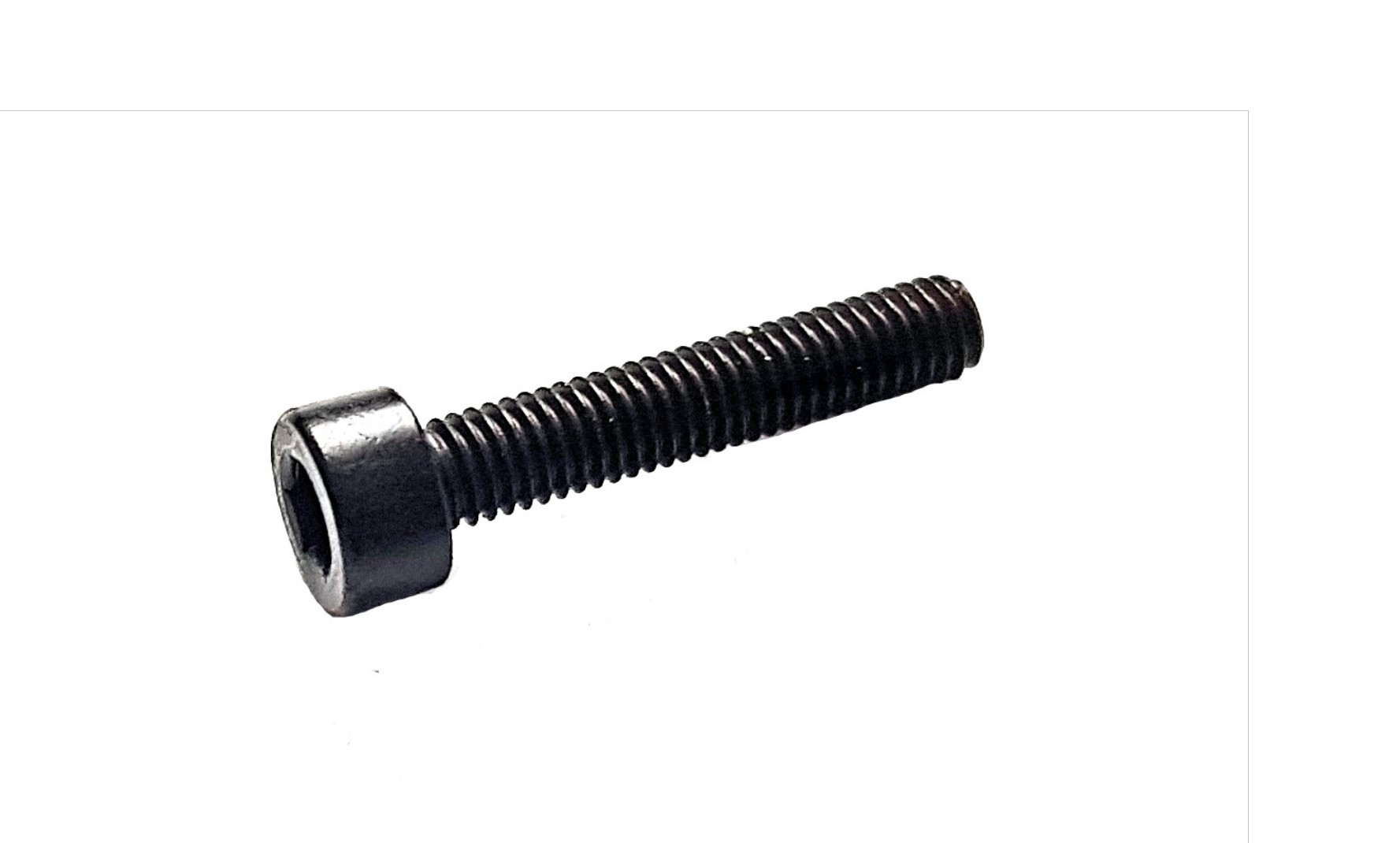
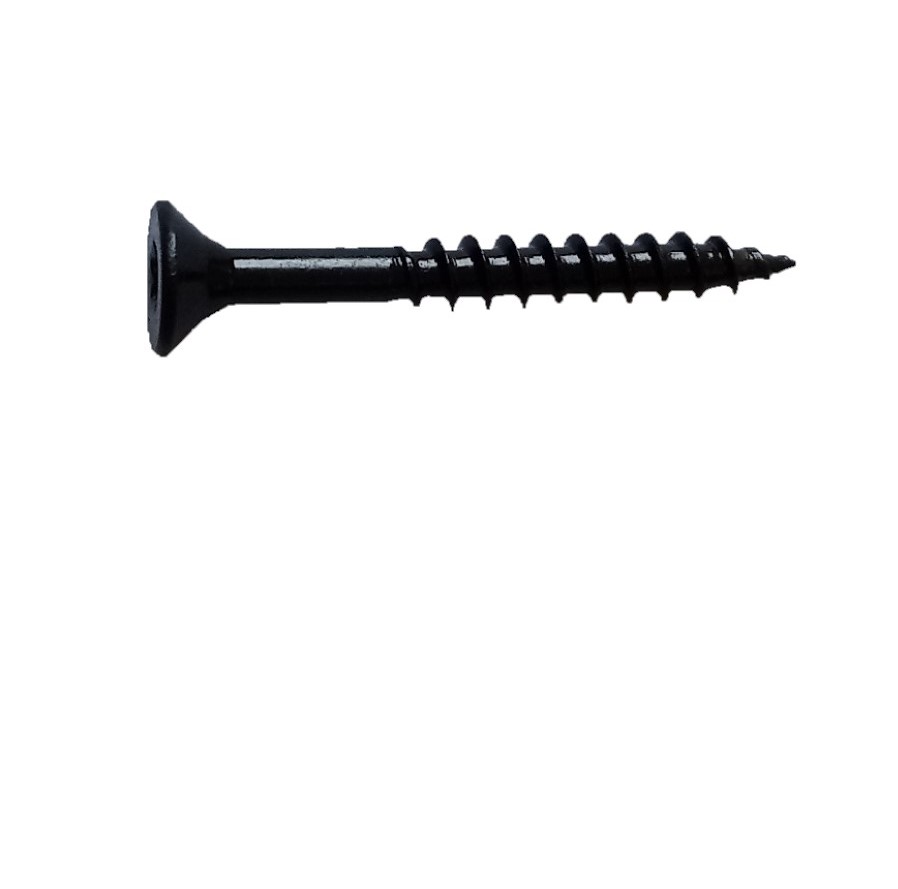

- Screw Assortments
- Screws and Bolts
- Nuts
- Hexagon press nuts
- Shear nuts
- Aerotight nuts
- Weld-on nuts
- Anti-thief-nuts 4-Hole
- Anti-thief-nuts 5-star
- Anti-thief-nuts Tricle/Trident
- Clip nuts
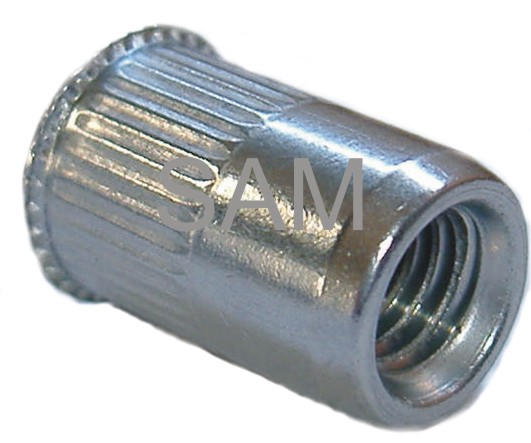
- Blind rivet nuts
- Round coupler nuts
- Drive-in nuts
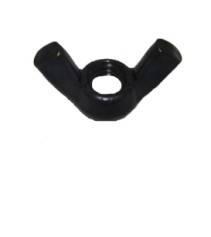
- Wing nuts DIN 315
- Barrel nuts Torx+Pin
- Barrel nuts slotted
- Socket barrel nuts countersunk
- Countersunk barrel nuts Torx+Pin
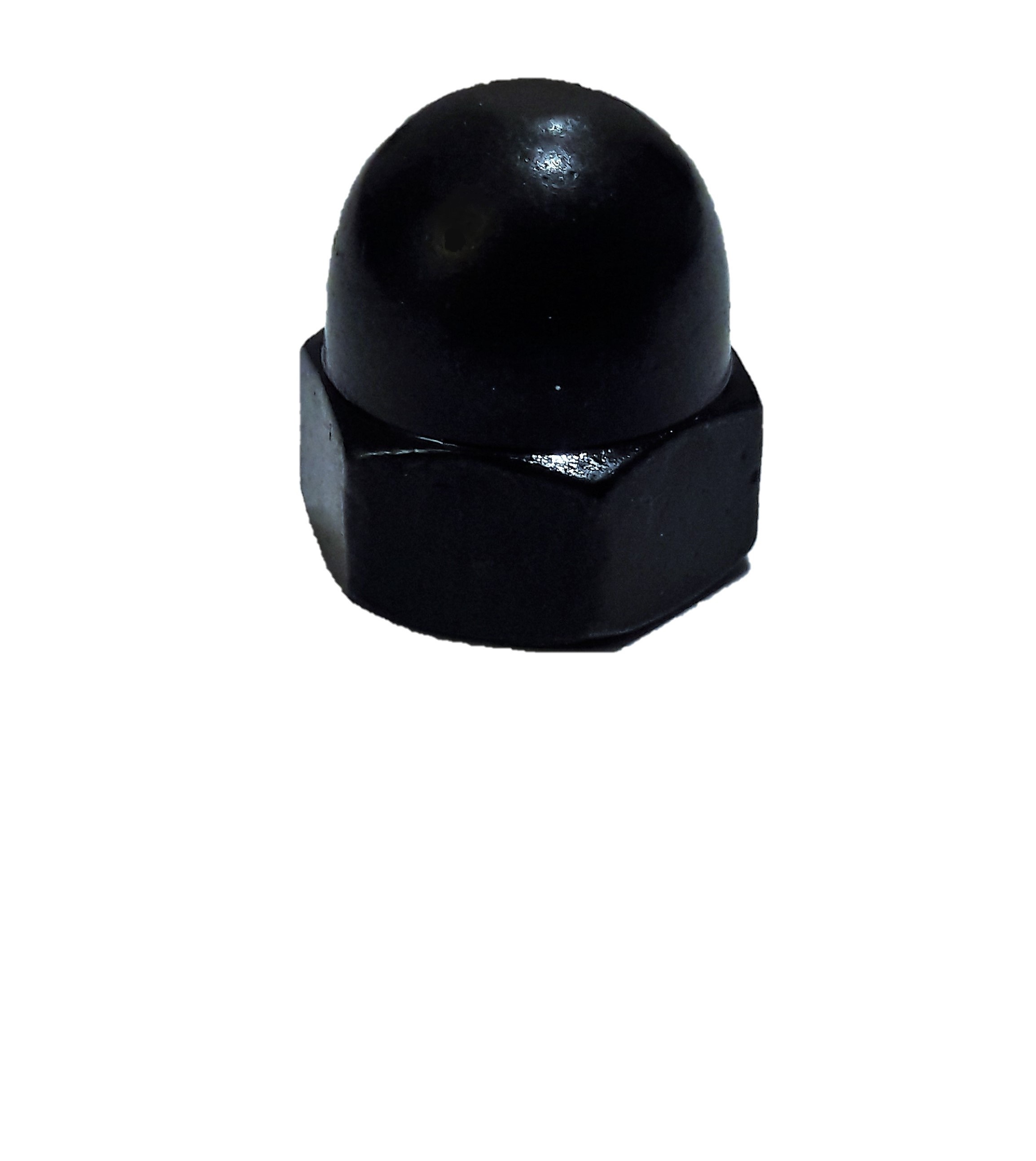
- Dome nuts DIN 1587
- Dome nuts DIN 1587 polyamide
- Cap nuts DIN 917
- Dome nuts self locking DIN 986
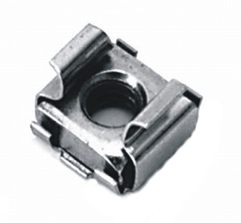
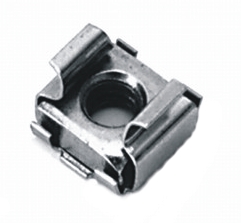
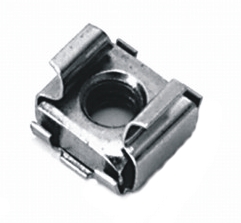
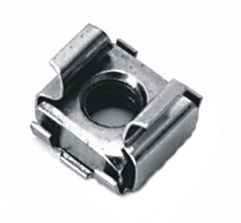
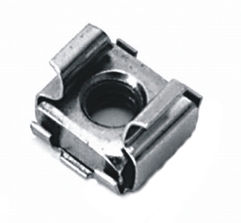
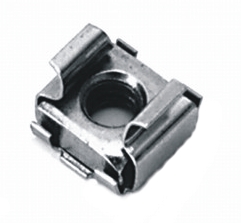
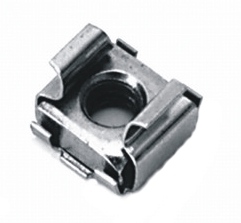
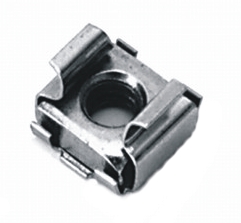
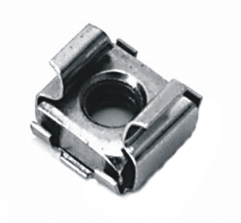
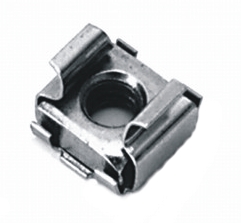
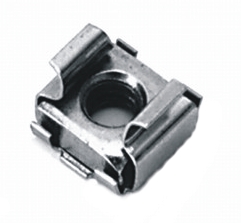
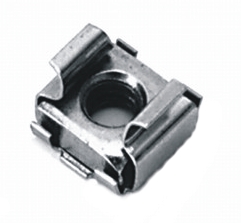
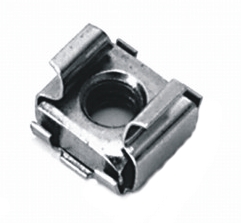
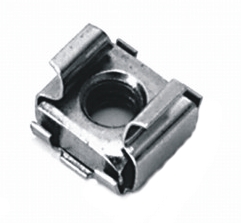
- Cage nuts
- Comby-nuts
- RAMPA-nut® Type B
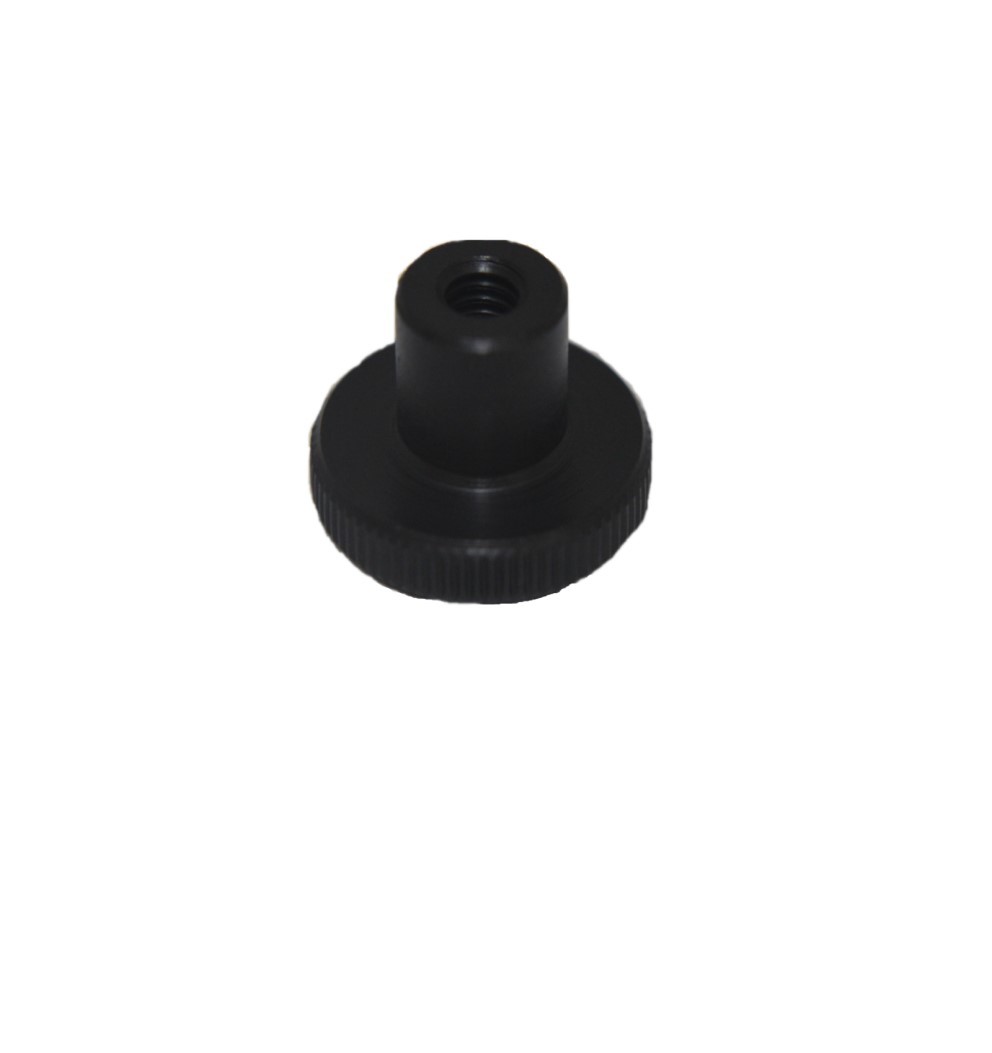
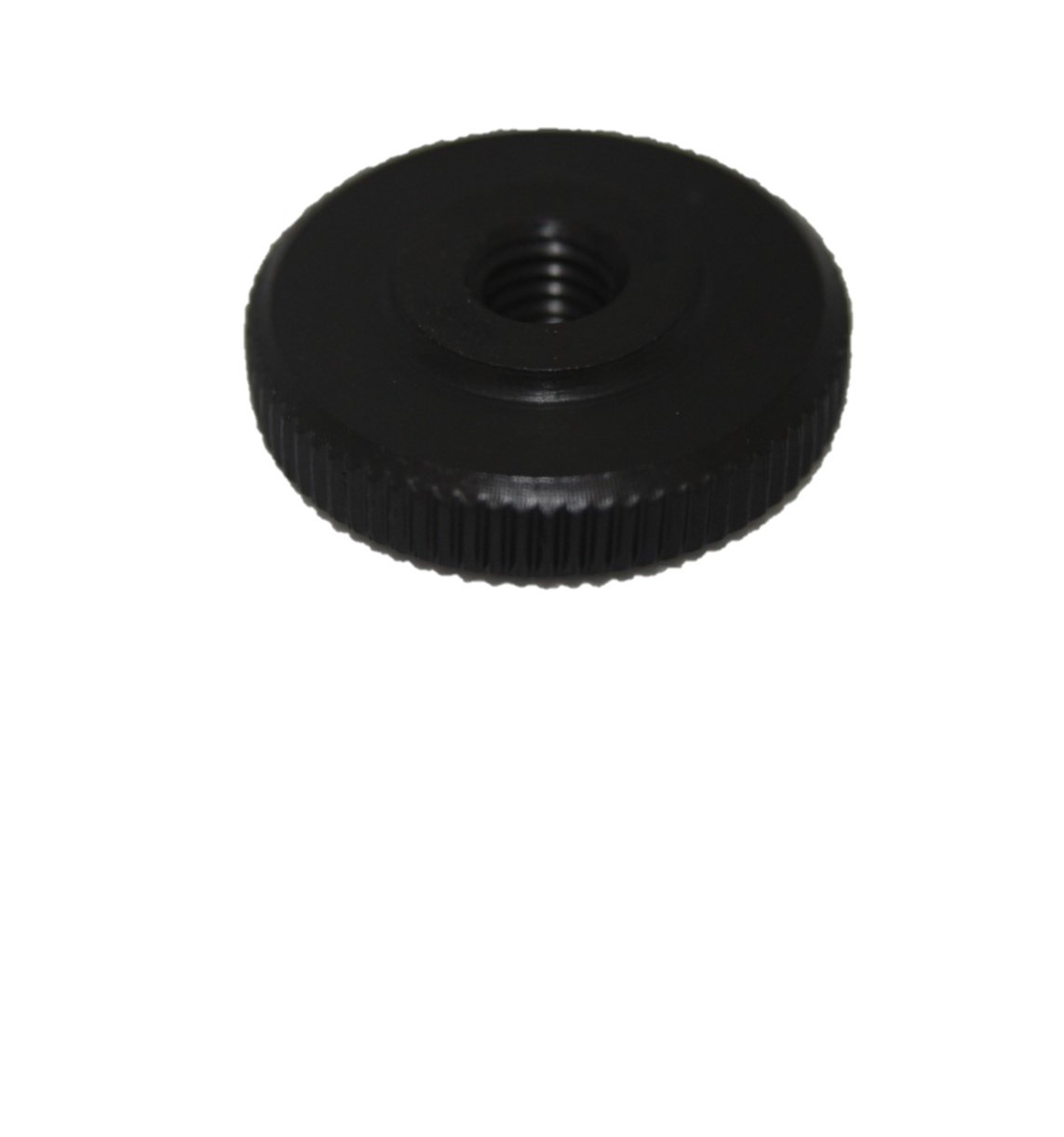
- Knurled thumb nuts DIN 466
- Knurled thumb nuts DIN 467
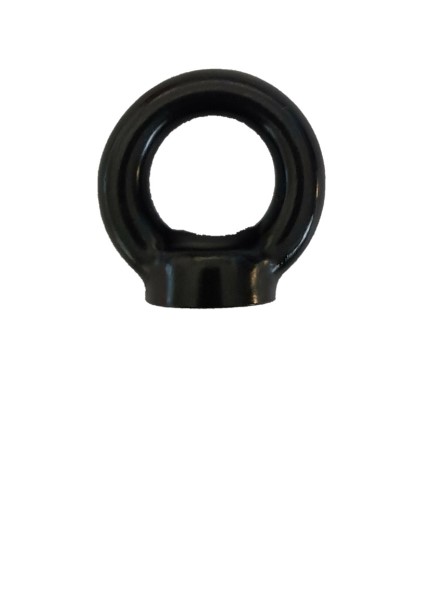
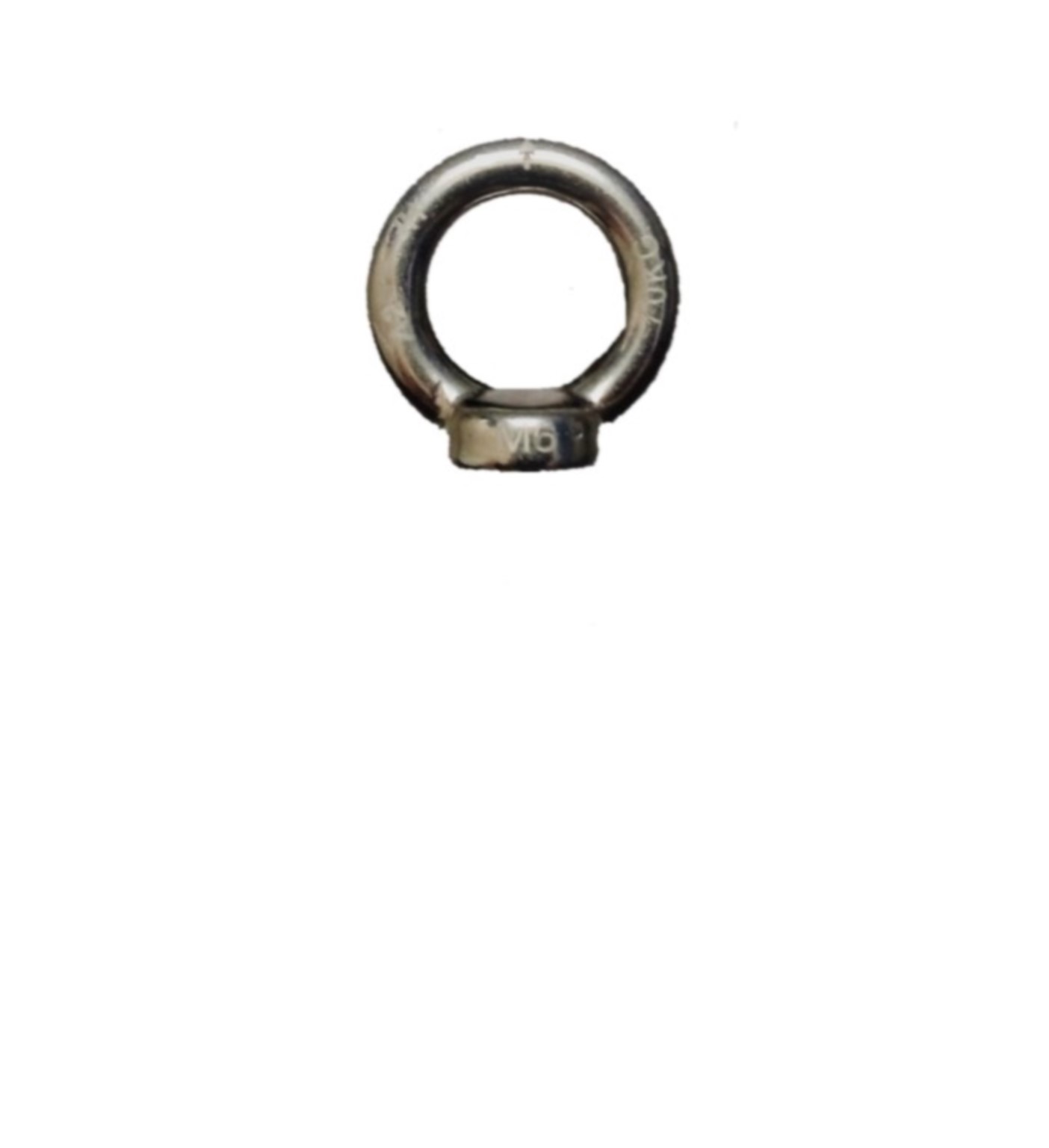
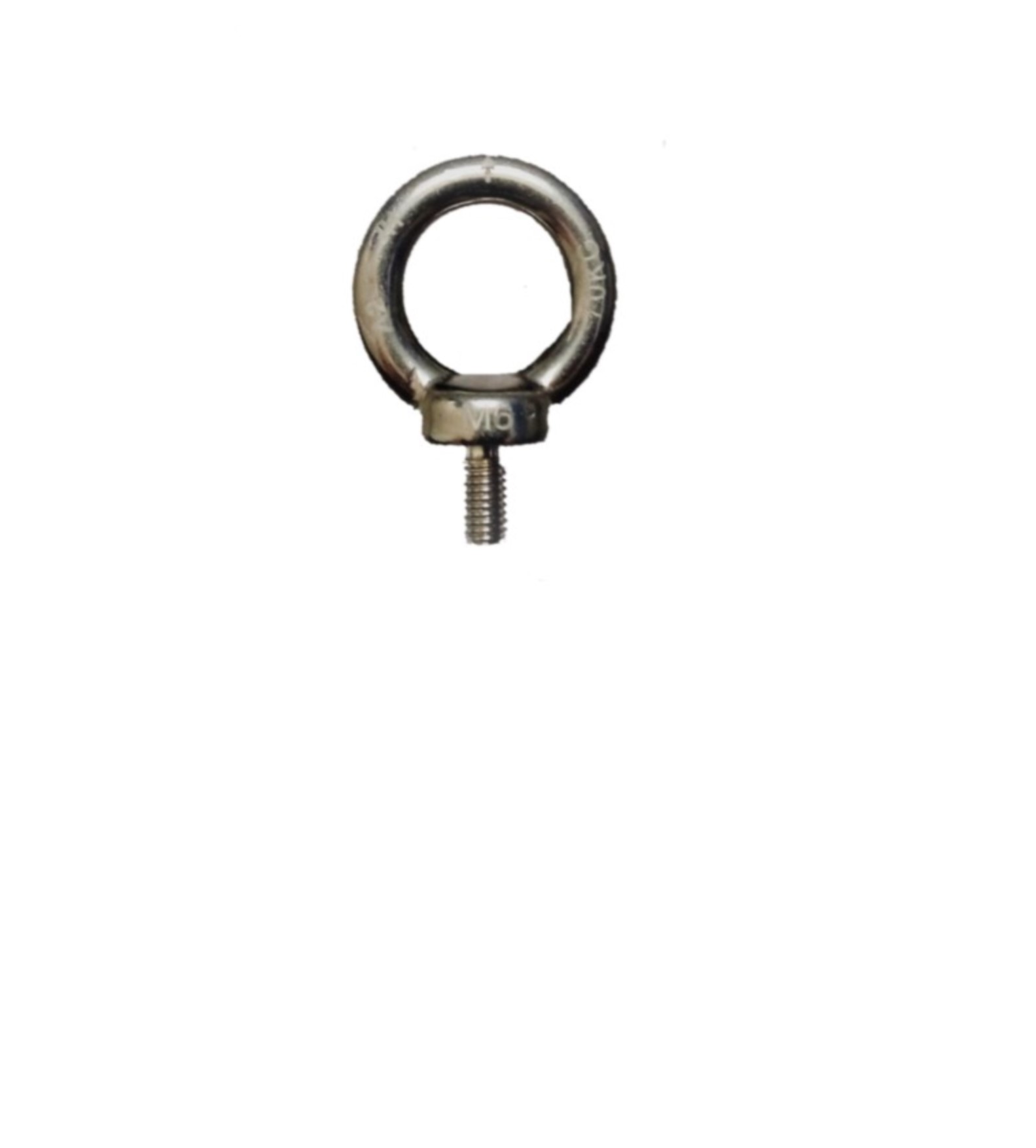
- Lifting eye nuts DIN 582
- Pipe nuts DIN 431
- Slotted round nuts DIN 546
- Hexagon DIN 934
- Hex nuts DIN 934 polyamide
- Hexagon with flange DIN 6923
- Hexagon with flange DIN 6923 polyamide
- Coupler hex nut DIN 6334
- Hexagon thin nuts DIN 439
- Insert - round press nuts
- Hexagon lock nut DIN 985
- Prevailing torque type hex nut DIN 980
- Hexagon lock nut DIN 982
- Hexagon flange nut DIN 6926
- Square nuts thin DIN 562
- Kep hex nuts with toothed washer
- 2-hole nuts DIN 547
- Titanium Fasteners
- Washers / Spring Washers
- Security Screws
- High-Tensile Fasteners
- Black Screws & fasteners
- Aluminum Fasteners
- Tools
- Other Accessories
- Inch Fasteners
- Pins/Parallel Keys
- New Products
- Remaining Stock
Nuts
Buy nuts now !
Nuts are essential fasteners that play an important role in the world of fastening technology. Their main task is to connect screws to components and ensure secure fixation. These small but crucial components are available in a variety of styles, sizes and materials to meet the diverse needs of construction, engineering and home improvement projects.
Versatility
The versatility of screw nuts is reflected in the selection of different thread types, including metric, inch and fine threads. This adaptability enables optimal integration into a wide variety of designs. In addition, screw nuts are available in various materials including stainless steel, brass and galvanized steel to meet specific strength and corrosion resistance requirements.
The precise production of screw nuts is crucial for their performance. Robust construction and high-quality materials ensure not only a reliable connection, but also long-term stability. Whether in the assembly of furniture, in vehicle construction or in industrial applications – nuts are the invisible heroes that ensure the safety and stability of numerous structures.
Stainless steel nuts according to DIN/ISO standards – quality and reliability
Stainless steel nuts are particularly corrosion-resistant and robust. They are ideal for demanding applications in damp or aggressive environments. Find out more about the advantages and variants of stainless steel nuts and their areas of application here.
The most important things at a glance
• Stainless steel nuts offer high corrosion resistance, strength and attractive aesthetics, making them ideal for various applications.
• Selecting the correct stainless steel nut should be based on thread type, strength grade and surface treatment to ensure safety and functionality.
• Stainless steel nuts are classified according to DIN and ISO standards, which guarantees their quality and reliability in safety-critical applications and various industries.
Stainless steel nuts: features and benefits

Stainless steel nuts are known for their high corrosion resistance and robustness, making them an excellent choice for many applications. Their resistance to rust and chemical attacks makes them ideal for use in demanding environments. This is particularly important in areas where long life and reliability are crucial.
Now let's take a closer look at the specific benefits of stainless steel nuts, starting with their outstanding corrosion resistance.
Corrosion resistance of stainless steel nuts
Stainless steel nuts offer excellent corrosion resistance and are ideal for use in wet or aggressive environments. This resistance to rust and chemical attack makes them particularly suitable for extreme conditions, such as those found in the marine or chemical industries. Stainless steel nuts are therefore often the first choice when it comes to long-lasting and reliable connections.
Although stainless steel is naturally corrosion resistant, additional surface treatments can further improve its lifespan and durability. Galvanizing or passivation are common processes that increase protection against corrosion and thus significantly extend the life of the nuts. These treatments make stainless steel nuts even more resistant to the harsh conditions they are exposed to.
Aesthetic benefits
Stainless steel nuts are not only functional but also aesthetically pleasing. Their glossy finish and attractive design make them the preferred choice for applications where both functionality and appearance are important. This is particularly important in the automotive and furniture industries, where the appearance of fasteners plays a role.
Variants of stainless steel nuts

There are different types of nuts that are commonly used, including hex nut, wing nut, and lock nuts. Each of these variants has its specific applications and advantages that make it particularly suitable for certain tasks. Choosing the right nut depends on the requirements of the particular connection.
Hexagonal nuts are the most common variant and are used in many areas. Wing nuts allow for easy handling without tools, while lock nuts are specifically designed to prevent self-loosening due to vibration. Let us now take a closer look at the individual variants.
Stainless steel hex nuts
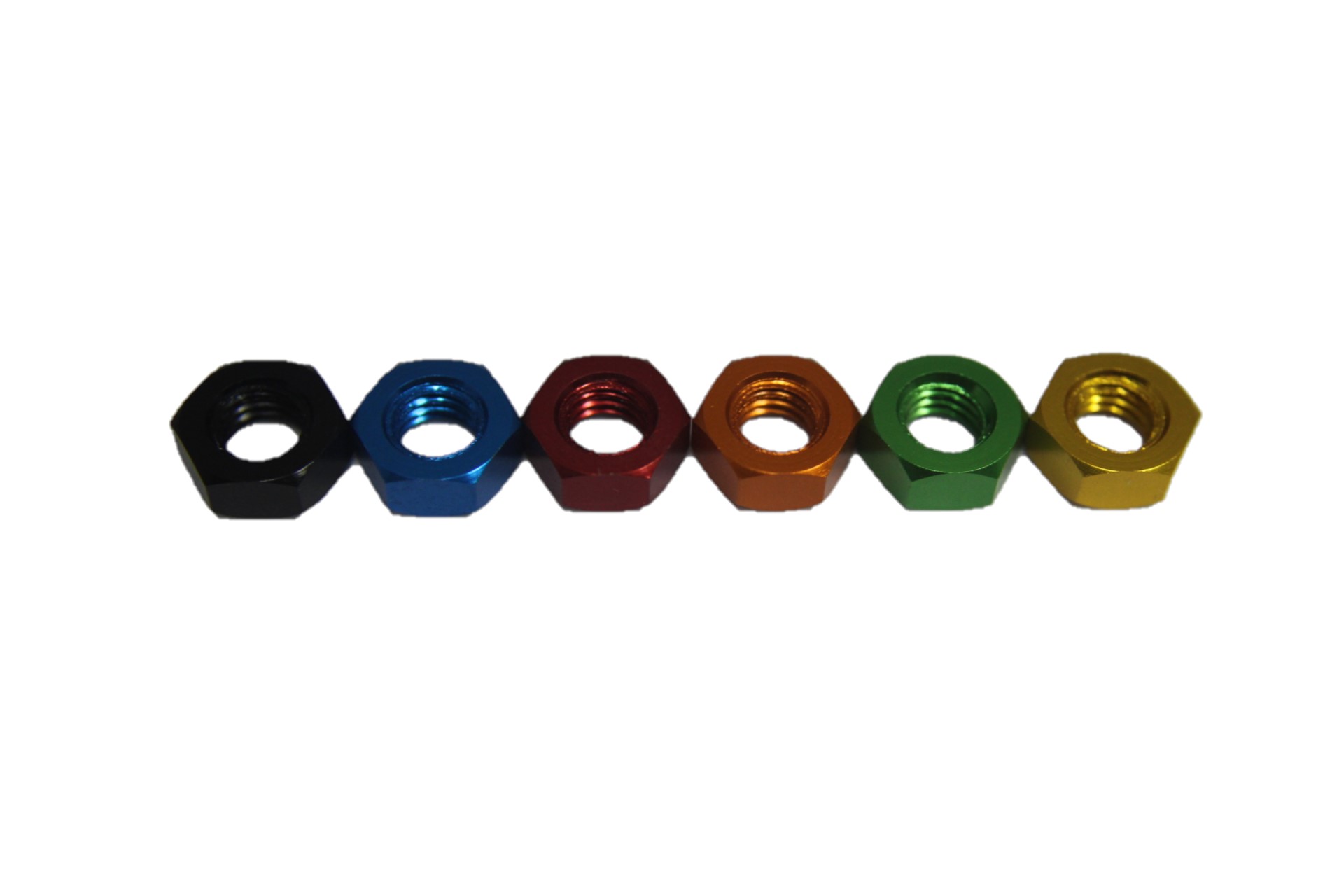
Hex nuts are made of high quality stainless steel, which ensures their quality and reliability. These nuts are available in a variety of sizes and offer high load capacity, making them ideal for mechanical engineering, vehicle assembly, furniture making and construction applications.
Common sizes are:
• M2
• M2.5
• M3
• M4
• M5
• M6
• M8
• M10
• M12
• M16
Stainless steel wing nuts
Wing nuts allow for easy handling without tools and are ideal for applications requiring frequent adjustments. These nuts are often used in areas where connections need to be adjusted quickly and easily, such as temporary structures or event technology.
Their ease of use and flexibility make them a practical choice for many applications.
Stainless steel lock nuts
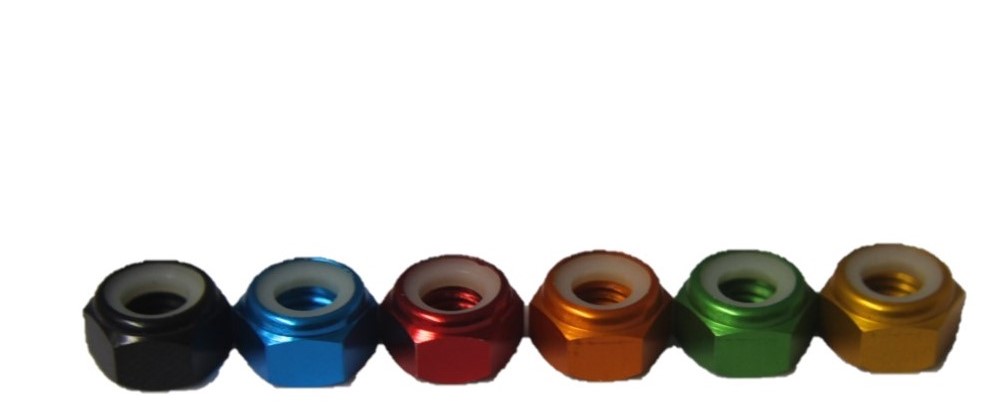
Locknuts are a special category of stainless steel nuts designed to prevent self-loosening due to vibration. These nuts are particularly important in safety-critical applications such as those found in the aerospace or automotive industries. A typical example of lock nuts are the hex nuts, which are available in various standards such as DIN 985 for locking purposes.
Stainless steel lock nuts are characterized by their corrosion resistance and reliability in demanding applications. They are crucial in safety-critical applications because they create reliable connections and prevent accidental loosening. This makes them an indispensable component in many industries.
Stainless steel nuts according to DIN/ISO standards

Stainless steel nuts are usually assigned according to DIN standards, which ensures their quality and reliability. These standards ensure that the nuts meet the required standards of quality and reliability. The metric thread size and its dimensions are defined within the ISO standards, creating standards for international applications.
DIN 934 and DIN 439
Hexagon nuts according to DIN 934 are available in different thread sizes and strength classes. These nuts guarantee consistent dimensional accuracy, high resilience and a long service life.
Common strength classes for nuts are:
• A2-35
• A2-50
• A2-70
• A2-80
• A4-35
• A4-50
• A4-70
• A4-80
While screws have grades like A2-70 and A4-70, but also A2-80 and A4-80.
The DIN 934 and DIN 439 standards specify the dimensions and mechanical properties of hexagon nuts, which ensures their reliability and quality. These standards are critical to selecting the right nut for specific applications.
Selection criteria for stainless steel nuts
Choosing the right stainless steel nut is crucial for the safety and functionality of the connection. Compliance with DIN and ISO standards not only ensures the quality but also the functionality of the stainless steel nuts. Stainless steel nuts provide stable connections in mechanical engineering that are crucial for the safety and functionality of complex systems.
There are several criteria that should be considered when selecting stainless steel nuts, including thread type and size, strength class and surface treatment. Let's consider these criteria in detail.
Thread type and size
The thread type and size are crucial criteria when selecting stainless steel nuts. The strength class of stainless steel nuts is determined by the tensile strength of the material and is critical to performance under load. Nuts are classified according to their maximum tensile strength, which is crucial to their usability. The dimensions and features of these nuts also include fine thread and left-hand thread options.
The correct choice of thread type and size can significantly affect the efficiency and security of the connection. It is important to consider the thread pitch and diameter of the nut to ensure an optimal connection. The different types of threads, such as standard threads and fine threads, offer specific advantages for different applications.
Strength class
Stainless steel nuts are available in different strength classes, with higher classes suitable for higher load applications.
The standards DIN 934 and DIN 439 specify the dimensions and mechanical properties of hex nuts, which ensures their reliability and quality.
Surface treatment
DIN 934 and DIN 439 hex nuts are available in various materials and surface treatments to meet the requirements of different applications. Items such as surface treatments such as galvanizing or passivation significantly increase the corrosion protection and lifespan of the stainless steel nuts.
These treatments make stainless steel nuts even more resistant to the harsh conditions they are exposed to.
Applications of Stainless Steel Nuts
Stainless steel nuts are used in numerous industries including:
• Industry
• Crafts
• Mechanical and plant engineering
• Construction
• Chemical industry
• Model making
Their versatile material properties make them the preferred choice for many applications, some of which require specific mechanical and chemical stresses. It is important to consider both mechanical and chemical stresses when selecting stainless steel nuts.
The following sections highlight some of the key uses for stainless steel nuts, including automotive, mechanical and electrical engineering.
Use in mechanical engineering
Hexagon nuts ensure a flat surface in large machines or systems. These nuts are ideal for applications where a stable connection is required. Locknuts secure the main nut and prevent it from loosening, which is particularly important in machines and systems that are subject to strong vibrations. This ensures the safety and functionality of the machines.
In addition, hexagonal nuts made of stainless steel offer high resilience and are therefore suitable for use in heavy machines. Their robustness and reliability make them an indispensable component in mechanical engineering.
Buy nuts at Screwsandmore.de
Screwsandmore.de offers a variety of nuts that are essential for fastening technology and are designed to securely connect screws to components. We have nuts in various types, sizes and materials including stainless steel, brass and galvanized steel to meet different needs.
Screwsandmore.de places great emphasis on precise manufacturing to ensure the performance and long-term stability of the nuts. Customers receive expert advice on the website to select the right nuts for their specific projects, ensuring quality and reliability. This collection of information helps make the best decisions.
Summary
Stainless steel nuts are indispensable fasteners that are used in many industries. Their outstanding properties such as corrosion resistance, high strength and aesthetic appearance make them the preferred choice for demanding applications. The different variants, such as hexagon nuts, wing nuts and lock nuts, offer specific advantages that make them ideal for different tasks.
When purchasing stainless steel nuts, it is important to consider the DIN/ISO standards and selection criteria in order to choose the right nut for the respective application. Screwsandmore.de offers a wide range of high quality nuts and professional advice to ensure you find the best fasteners for your projects. Trust the quality and reliability of stainless steel nuts to make your connections secure and durable.
Frequently asked questions
What are the advantages of stainless steel lock nuts?
Lock nuts made of stainless steel offer the advantage that they prevent independent loosening due to vibrations and at the same time have high strength and corrosion resistance. These properties make them particularly suitable for safety-critical applications.
What are the most common strength classes for stainless steel nuts?
The most common strength classes for stainless steel nuts are A2-70 and A4-70.
What surface treatments are available for stainless steel nuts?
A common surface treatment for stainless steel nuts is passivation, which improves corrosion protection. Galvanizing can also be done to increase the lifespan of the nuts.
Where can I buy high quality stainless steel nuts?
You can purchase high-quality stainless steel nuts at Screwsandmore.de, where a comprehensive selection and expert advice is available. This makes it easier for you to select the right nuts for your projects.


.jpg)